Bedding · Wool Care · Sleep Environment
Washable Wool Comforters: What to Know Before Choosing a Sleep and Beyond myComforter
Wool brings an appealing balance of warmth and breathability to the bed. A washable construction can make routine care feel more manageable, but “washable” is not a license to treat every comforter like a cotton sheet. With the Sleep and Beyond myComforter as a useful example, here is how to weigh wool’s natural qualities, the realities of washing, and the small habits that help bedding last.
Published October 12, 2026
There is a particular pleasure in a bed that feels considered rather than merely assembled: a breathable sheet, a pillow with the right degree of give, and a comforter that provides warmth without turning the night into a negotiation with the thermostat. Wool has long been valued in bedding for its ability to insulate while allowing water vapor to move through its fibers. That combination can make it an interesting option for sleepers who want coziness without an overly heavy or stuffy feel.
Washable wool comforters add another practical consideration to the equation. They may offer a route to occasional home laundering, but the details matter: the fill, quilting, shell, care label, washing machine, detergent and drying process all influence what “washable” means in everyday life. A comforter’s instructions should take precedence over general advice about wool, because products with similar names can have very different construction and care requirements.
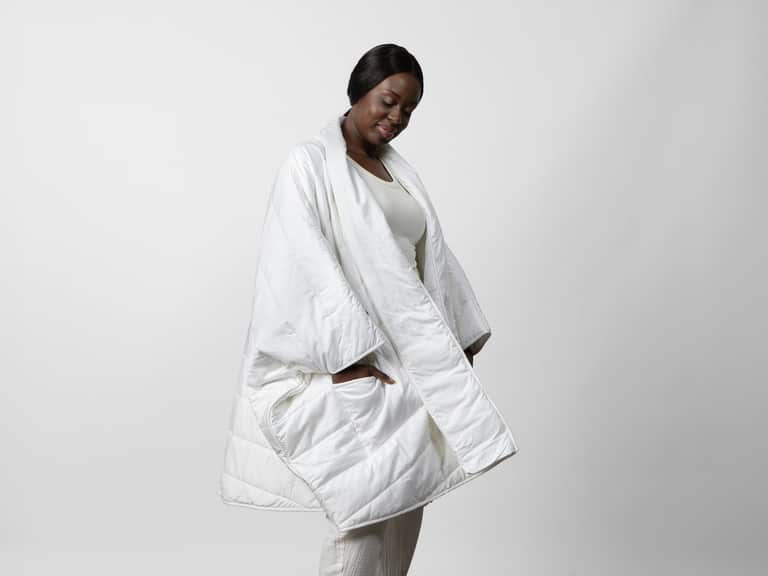
The Sleep and Beyond myComforter is described as having 100% washable wool fill inside a 100% natural 270-thread-count cotton sateen cover. Its care guidance recommends protecting it with a duvet cover, airing it regularly and avoiding frequent washing. When a wash is necessary, the listed instructions specify cool or warm water on a wool or delicate cycle without agitation, an approved wool detergent, no spin, and air drying or low tumble drying. Those instructions are best read as a complete sequence, not a menu of interchangeable options.
Why wool feels different on the bed
Wool fibers have a naturally complex structure. In bedding, that structure helps trap air, which contributes to insulation, while the fiber’s moisture-handling properties can help a sleep surface feel less clammy than one that holds moisture close to the body. The experience will depend on many things, including the sleeper, room temperature, bedding layers and the comforter’s weight. Wool is not a thermostat and cannot guarantee that everyone will sleep at a particular temperature. It is, however, a fiber worth considering when temperature balance and breathability are part of the brief.
That distinction is useful when comparing a washable wool comforter with other fills. Down is known for its light loft; cotton can feel substantial and breathable; synthetic fills vary widely in warmth and resilience. Wool tends to offer a more grounded, softly springy feel, though construction and fill quantity are decisive. The myComforter’s product information lists a fill weight of 13 ounces per square yard. That figure can help put its construction in context, but it is not a direct measure of warmth across brands or designs: dimensions, quilting, shell fabric and the room itself also shape the experience.
Wool’s moisture management is sometimes described in sweeping terms. A more measured view is helpful. The fiber can absorb moisture vapor and may help bedding feel more comfortable in changing conditions, but it does not remove the need for ventilation, clean sleepwear or appropriate laundering. Nor does a natural fiber make a comforter immune to spills, odors or allergens. Consider the material as one element in a well-designed sleep environment, rather than a standalone solution.
What “washable” should mean before you buy
For a comforter, “washable” should prompt a closer look at the care instructions, not an assumption that cleaning is effortless. Some wool bedding is intended for infrequent washing, some is designed for gentle machine cycles, and some is better handled by spot cleaning or professional care. Even within one product family, filling, shell and construction may differ by model. Before purchase, check the label or manufacturer guidance for the exact comforter you are considering.
It is also worth distinguishing between four different kinds of upkeep:
- Protection: A duvet cover creates a washable barrier between the comforter and everyday skin oils, dust and minor marks.
- Airing: Letting bedding breathe in a dry, well-ventilated place can refresh it between washes.
- Spot cleaning: Treating a small mark carefully may avoid washing the entire comforter, if the care instructions allow it.
- Washing: A full wash is a more involved reset, and should be undertaken only according to the product’s specific directions.
For the myComforter, the listed guidance expressly discourages frequent washing because the batting may separate inside the quilted pockets. That caveat is significant. Quilting helps keep fill distributed, but repeated or unsuitable washing can put stress on the comforter’s structure. A washable wool comforter can therefore be a practical choice without being a piece of bedding that needs routine laundering on the same schedule as sheets.
The case for a duvet cover
A duvet cover is less a decorative flourish than a first line of defense. It absorbs much of the contact and wear that would otherwise reach the comforter itself, and it can be removed for regular washing. This simple layer may reduce how often the wool-filled piece needs more involved care. Choose a cover that fits well: excessive slack can allow the comforter to shift, while a cover that is too tight may compress the loft or make the bed awkward to manage.
Fabric choice affects the feel of the finished bed. Cotton percale tends to have a crisp, airy hand; cotton sateen is smoother and more fluid; linen brings a relaxed texture and can soften with use. The right pairing depends on personal preference and season. A breathable cover can complement wool’s insulating character, while a heavier or brushed cover may make the overall setup feel warmer. The comforter itself is only one layer in the system.
Keep the cover clean according to its own label, and make sure it is completely dry before putting it back on. Moisture trapped between layers can create an unpleasant environment and undermine the freshness you are trying to preserve. If a spill reaches the comforter, respond promptly but gently, and consult the care instructions before applying stain removers or soaking the area.
Before washing: check your machine and plan the drying
Washer capacity is easy to overlook until a bulky comforter is already in the drum. The comforter should have enough room to move through the cycle without being packed tightly. An overloaded machine may not clean or rinse evenly and can create unnecessary strain on both the appliance and the textile. If the comforter does not fit comfortably, do not force it. A sufficiently large front-loading machine or a professional laundry service may be more appropriate, provided the service can follow the product’s care requirements.
Water temperature and agitation deserve equal attention. The myComforter’s listed directions allow cool or warm water on a wool or delicate cycle, but specify that agitation should not be used and that the comforter should not be spun. Many domestic machines combine settings in ways that vary by model, so it is wise to understand what a chosen cycle actually does. When in doubt, confirm the procedure with the manufacturer rather than improvising.
Use an approved wool detergent and measure it according to the product label. A detergent designed for ordinary loads may be unsuitable for wool, and excess detergent can be difficult to rinse from a bulky item. Avoid bleach and fabric softener unless the care instructions explicitly permit them. Strong stain treatments, enzymes or high-alkaline formulas may affect fibers or finishes; do not assume that a cleaner safe for cotton is automatically appropriate for wool.
Drying is not an afterthought. Wet wool bedding is heavy, and its fill can be vulnerable to uneven pressure, heat and prolonged dampness. The myComforter guidance permits air drying or low tumble drying. Whichever method is used, the comforter should be dried thoroughly before it returns to the bed or is stored. If air drying, support it evenly so its weight is not concentrated along a narrow line. If tumble drying on low, follow the label carefully and check progress rather than leaving it unattended for an extended cycle. High heat can damage fibers and may affect the shell or construction.
Airing, spot cleaning and full washing are not the same
Between washes, regular airing is often the gentler first step. Spread the comforter in a clean, dry, ventilated space, away from damp conditions. The product guidance recommends regular sunning and airing for wool bedding. If placing it outdoors, avoid leaving it for long periods in harsh direct sun, where prolonged exposure may affect color or fibers. A shaded, breezy location can offer fresh air without turning maintenance into an all-day exposure.
Spot cleaning is a small intervention, not a miniature full wash. Blot a fresh spill with a clean cloth rather than rubbing it deeper into the fabric. If the care label permits, use a small amount of mild, wool-appropriate cleaner and cool water on an inconspicuous area first. Apply as little moisture as practical, work gently and allow the area to dry completely. Do not saturate the fill: localized wetting can leave a patch damp for longer than expected.
A full wash may be appropriate when the comforter is soiled beyond what airing or spot cleaning can address, but it should remain an occasional measure. Consider whether the issue is limited to the removable cover or shell surface before washing the entire filled item. For a major stain or a care situation that falls outside the label’s instructions, ask the manufacturer or a qualified cleaner familiar with wool-filled bedding. Professional care is not automatically the safer choice; the method must suit the particular construction.
How to evaluate the Sleep and Beyond myComforter
The myComforter’s listed composition—washable wool fill and a cotton sateen cover—offers a clear starting point for evaluating its role in a bedroom. Wool may appeal to sleepers who want natural insulation and moisture management, while the cotton shell provides a familiar textile surface. Its 13-ounce-per-square-yard fill weight suggests a fuller construction than a light-season comforter, but individual warmth preferences and bedroom conditions should guide the final decision.
The most important qualifier is its maintenance profile. Although the fill is described as washable, the care notes recommend a duvet cover, discourage frequent laundering, and caution against agitation and spinning. This is not a contradiction; it is a reminder that a washable product may still benefit from conservative care. The term describes a permitted cleaning method under specified conditions, not a promise that repeated washing will leave the comforter unchanged.
Ask practical questions before choosing:
- Does the weight suit your climate, bedding layers and personal warmth preference?
- Can your washer accommodate the comforter without compressing it into the drum?
- Are you comfortable following a no-agitation, no-spin washing process?
- Do you have a suitable place to dry it fully and evenly?
- Will you use a duvet cover to reduce direct wear and cleaning frequency?
- Does the product’s current care label match the instructions you have reviewed?
These questions are not a test of domestic expertise. They are a way to ensure that the comforter’s qualities fit both your sleep preferences and your actual care routine. A beautifully made textile is most satisfying when its upkeep feels realistic rather than aspirational.
A note on wool, sensitivities and expectations
Wool bedding is sometimes presented as inherently hypoallergenic or a universal answer for sensitive sleepers. Individual responses vary, and the comforter’s shell, processing, dust, detergents and surrounding environment can all matter. People with known wool sensitivity should review materials carefully and consider their own experience before committing. Those with specific allergy or respiratory concerns may wish to consult a qualified health professional; bedding materials are not a substitute for medical advice.
Likewise, temperature regulation should be understood as a material characteristic, not a guaranteed sleep outcome. A comforter cannot compensate for an overheated room, heavy sleepwear or an unsuitable mattress. For a balanced setup, consider the complete bed: sheets, pillow, sleepwear, room ventilation and the number of layers. A crisp cotton percale sheet, for instance, may feel cooler and airier than a brushed surface, while a heavier cover can increase warmth regardless of fill.
Storage and everyday care
When the season changes, store a clean, fully dry comforter in a breathable fabric bag or cotton cover. Avoid sealing it away while any moisture remains, and do not compress it tightly for long periods. A dry, ventilated cupboard is preferable to a damp basement or an attic with extreme temperature swings. Before using it again, air it out and check that the fill remains evenly distributed.
During regular use, shake or fluff the comforter gently to help it settle, taking care not to pull at seams or quilting. Rotate it occasionally if the bed’s layout causes one area to receive more pressure or wear. Keep sharp objects, lotions and food away from the bedding when possible; prevention is far less complicated than treating a stain in a filled textile.
The considered choice
A washable wool comforter can bring natural warmth, breathable comfort and a reassuringly tactile quality to the bedroom. The key is to understand the balance: wool’s performance may make it appealing for year-round bedding, while its care still calls for restraint. The Sleep and Beyond myComforter illustrates the point particularly well. It is described as machine washable, yet its own guidance emphasizes protection, airing and infrequent washing, with clear limits around agitation, spinning and heat.
Before choosing, look beyond the word “washable.” Read the care label, consider the fill weight and your climate, confirm that your machine and drying space are suitable, and plan to use a duvet cover. Then let routine airing and prompt, careful spot care do as much of the work as possible. In bedding, luxury is not only the sensation of softness on the first night; it is also the confidence that comes from knowing how to care for the materials you bring home.
Frequently asked questions
Can a washable wool comforter go in any washing machine?
No. The drum needs sufficient capacity for the comforter to move without being tightly compressed, and the machine must offer a cycle compatible with its care instructions. If it does not fit comfortably, consult the manufacturer about suitable alternatives.
How often should a wool comforter be washed?
There is no universal schedule. Use a duvet cover, air the comforter periodically and address small marks promptly. The myComforter’s care guidance discourages frequent washing, so a full wash should be reserved for when it is genuinely needed and performed according to the product’s specific directions.
What detergent should I use?
For the myComforter, the listed instructions call for an approved wool detergent. Follow the detergent’s directions and the comforter’s label, and avoid substituting a strong general-purpose cleaner without confirmation.
Is low-heat tumble drying always safe?
Not for every wool comforter. The myComforter guidance allows low tumble drying, but other products may require different treatment. Follow the exact label, check the comforter during drying and ensure it is fully dry before using or storing it.