Fiber Structure: The Secret of the Soft Touch
Cashmere’s immediate allure lies in its fibers. Each cashmere fiber has a submicroscopic diameter, typically around 14 to 15 microns for high-grade cashmere. This slenderness translates to an extraordinarily soft hand that feels almost numbingly gentle against the skin. Fashion houses and textile scientists alike celebrate cashmere for combining feather-light warmth with a plush loft that doesn’t overwhelm the silhouette of sleepwear.
The core of its warmth comes not from bulk but from the microstructure: fine, crimped fibers that trap air. That trapped air acts as an insulator, providing thermal regulation that feels luxurious in winter and breathable enough for transitional seasons. The cuticle—tiny scales along the fiber—plays a crucial role in how the fabric bristles when brushed or pressed. When aligned and properly combed, cashmere fibers interlock with one another, producing a surface that glides over the skin rather than clinging to it.
The result is a fabric that reads as both decadent and resilient. Cashmere is not merely a texture; it is a mood. It whispers luxury in a room that prioritizes quiet, refined warmth.
Historical nuance: Kashmir, Craft, and Craftsmanship
The story of cashmere begins in the high, cool climates of the Kashmir region, where the goats yield down-rich undercoats. The fabric lineage travels from rugged, natural fibers into meticulously controlled processing systems. The luxury sleepwear domain borrows this lineage and elevates it through modern finishing, enabling a uniform softness that remains stable through countless washes and wear.
Processing: The Art of Temperature and Texture
Processing cashmere involves steps that profoundly impact loft, warmth, and longevity. Dehairing removes guard hairs that can dull the feel, while combing aligns fibers for uniformity. Sorting then ensures currency of micron diameter across the batch. Each stage is a choreography: removing coarser fibers while preserving the delicate down, and selecting the cleanest fibers to yield a consistent, luxurious hand.
Blends vs Pure Cashmere: Trade-offs in Warmth, Breathability, and Care
Pure cashmere sleepwear offers the purest expression of softness, but cashmere blends—often with modal, silk, or wool—can offer improved durability, moisture management, and sometimes easier care. The warmth-to-weight ratio remains exceptional in both, though blends may alter the fall and drape of the fabric. For luxury sleepwear, decisions hinge on how the fabric interacts with your body temperature, climate, and laundry rituals.
Care and Longevity: Preserving Cashmere Sleepwear as an Everyday Ritual
Cashmere thrives with respectful care. Gentle washing, cold water cycles, and lay-flat drying help preserve loft and minimize pilling. Avoid aggressive agitation and high heat, which can compromise fiber integrity. A well-cared-for cashmere piece remains a faithful companion for years, becoming a signature wear in one’s bedroom wardrobe.
Key Figures Across Time: A Fabric Narrative
The soft aura of cashmere has attracted voices from fashion, textile science, and design—each contributing a unique perspective to what makes cashmere so beloved in luxury sleepwear.
The Ancient Textiles Scholar (Circa 2nd century BCE)
Even in ancient archives, thinkers noted the value of warmth woven into fabric. While not naming cashmere explicitly, their observations on wool’s warmth-to-weight efficiency laid groundwork for the later appreciation of premium fibers. Their language of “softness as a virtue” echoes in today’s luxury sleepwear discourse, reminding us that comfort is a form of high culture.
The 19th-Century Textile Chemist
A pioneer of fiber science, this figure began to map the microscopic world of textile fibers, recognizing that fiber diameter, crimp, and surface finish influence tactile softness and warmth. Their early diagrams of fiber structure informed later standards for cashmere quality evaluation, enabling luxury brands to articulate precise criteria for softness and longevity.
The Modern Luxury Designer
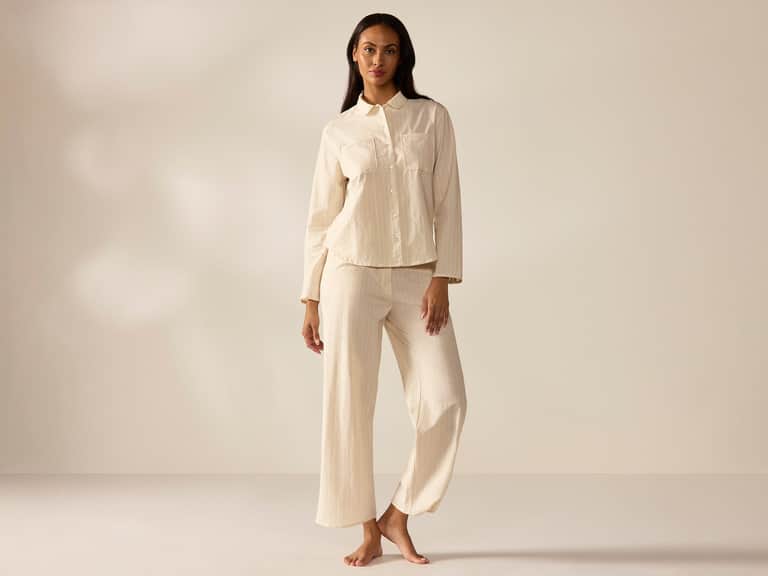
In contemporary fashion and sleepwear, the designer translates science into sensation. From the drape of a cashmere robe to the snug comfort of a pajama set, the designer’s eye translates fiber science into mood, texture, and a lifestyle. The result is a wardrobe of intimate luxury—soft, restrained, and endlessly wearable.