Bedding · Fabric guide
Choosing Sheets for Warmth Without Trapping Heat
The most comfortable bed is rarely the warmest one. It is the one that feels inviting at bedtime, then stays breathable as the night unfolds. Fiber, weave, room conditions, and the way bedding is layered all shape that balance.
When the weather turns cool, a crisp sheet can suddenly feel too spare; when the heating comes on, a plush one may become stifling. The answer is not simply to seek a heavier fabric or the softest finish. It is to consider how a sheet manages warmth alongside airflow and moisture—and how it works with the rest of the bed.
Warmth is a system, not a thread count
A sheet sits between the sleeper and the layers above, so its sensation is influenced by more than its own weight. Fiber type, yarn structure, weave, finishing, and the temperature of the bedroom all contribute. A lightweight fabric may feel cool on first contact yet become comfortable under a duvet; a dense, brushed fabric may feel cozy immediately but hold more warmth than a hot sleeper wants later in the night.
It helps to separate three ideas that are often blurred together: softness, insulation, and breathability. Softness describes how a surface feels against the skin. Insulation is the degree to which a material slows heat loss. Breathability concerns how readily air and water vapor move through a fabric. These qualities can coexist, but none guarantees the others. A sheet can feel soft without being especially warm, or warm without being breathable enough for a particular bedroom.
For that reason, the aim is not maximum insulation. It is a comfortable microclimate: enough warmth to avoid a chilly first impression, enough ventilation to limit clamminess, and layers that can be adjusted when conditions change.
Start with the fiber
Fiber is the material foundation of any sheet. It influences handfeel, moisture handling, durability, and how the fabric behaves after repeated laundering. Labels are a useful beginning, but they do not tell the whole story: the quality of the yarn, the construction, and the finish matter too.
Cotton: versatile and familiar
Cotton is popular for good reason. It is comfortable against the skin, available in many weaves, and generally straightforward to care for. Its character changes considerably with construction. Cotton percale, for instance, is typically woven with a simple, closely balanced structure that gives it a crisp, matte surface. Its airy hand often suits sleepers who dislike a slick or heavily insulating sheet.
In a cooler room, percale can still work beautifully as a year-round foundation. Its cool-to-the-touch feel need not mean that the entire bed will stay cold: a duvet or blanket supplies adjustable insulation above it. A 100% organic cotton percale sheet set in a 300-thread-count construction, for example, is described as breathable and crisp, with cotton that softens through washing. That sort of description points to the qualities to assess—fiber, weave, and care—not a promise that one sheet will suit every sleeper.
Cotton sateen: smoother, more enveloping
Sateen uses a different arrangement of yarns from percale, creating a smoother surface with a subtle sheen. Many people find it softer or more fluid against the body, and its hand can feel more substantial. Depending on the fabric’s density and finish, sateen may feel more enveloping than crisp percale. That can be appealing in a cool bedroom, while a warm sleeper may prefer the drier, more open impression of percale.
Neither weave is inherently superior. If you tend to feel cold at bedtime but warm later, a breathable sheet paired with a changeable top layer can be more adaptable than relying on a heavier sheet to do all the work.
Wool and other animal fibers
Wool is known for warmth and moisture management, but it is more commonly encountered in blankets, comforters, and pillows than in everyday sheets. Its performance depends on fiber type, processing, and construction. Cashmere, alpaca, and fine merino each have distinct characteristics; the name of an animal fiber alone does not establish how a finished fabric will feel or perform.
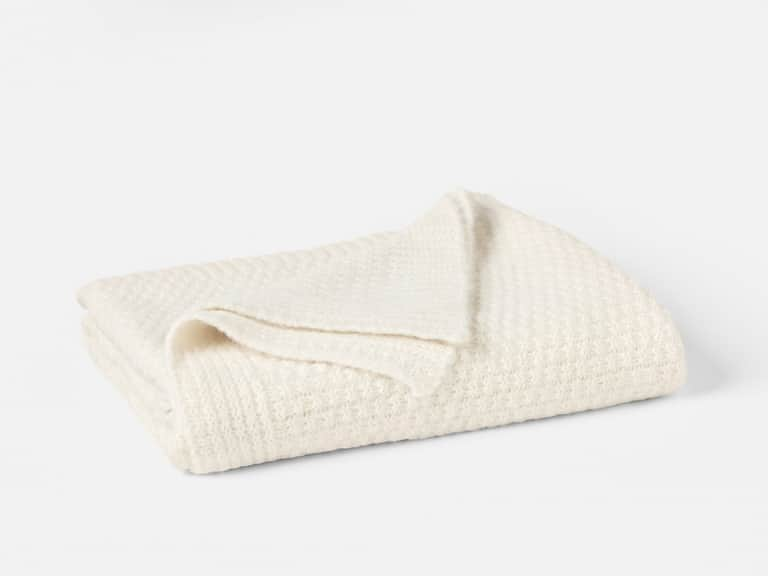
When considering a cashmere-rich bedding textile, read the composition carefully. A product described as “cashmere” may be pure cashmere, a blend, or a fabric marketed for a cashmere-like hand. Those are not interchangeable. A blend can combine the qualities of several fibers, but it can also change warmth, durability, laundering needs, and price. A cashmere-feel description, by itself, is not proof that a fabric contains cashmere.
What the weave changes
Weave affects the way fibers meet, the surface texture, and the space available for air to move through the cloth. It can alter a fabric’s first impression as much as its fiber content does. Two sheets made from cotton may feel quite different if one is a crisp percale and the other a smoother sateen.
Percale often appeals to people who want a fresh, airy feel. Its surface is usually matte rather than glossy, and it can feel cool when first pulled over the bed. Sateen tends to feel smoother and more fluid; its closer, more lustrous surface may seem warmer or more substantial. Knits, meanwhile, stretch and drape differently from woven sheets, with a soft, T-shirt-like character that some sleepers enjoy and others find too clingy.
These are tendencies rather than guarantees. Yarn thickness, finishing treatments, fabric density, and the way a sheet is made all matter. A high-quality description should give more than a weave name: look for fiber content, construction details, and practical care guidance. If a label relies almost entirely on adjectives such as “cooling,” “cloud-like,” or “thermal,” seek specific material information before drawing conclusions.
The thread-count question
Thread count can be useful as one piece of information, but it is not a shortcut to comfort. It measures the number of threads in a given area of fabric, and comparisons can become confusing when manufacturers use different yarns or counting methods. A very high number does not automatically mean a better sheet, a warmer sheet, or a more breathable one.
For a comfortable bed, start with the fiber and weave. Then consider whether the fabric feels suitable for your sleep temperature, whether the fit works with your mattress, and whether the care instructions match your routine. A thoughtfully made sheet in a moderate thread count may be more appealing than a denser option if what you value is airiness. Conversely, someone seeking a smoother, weightier feel may prefer another construction.
Cashmere sheets: what the label should tell you
The phrase “cashmere sheets” can sound like an invitation to a cocoon, but it deserves a closer look. Cashmere is a fine animal fiber associated with softness and warmth in clothing and home textiles. In bed linens, the exact blend and construction are crucial. A sheet with a modest cashmere percentage blended with cotton will behave differently from one made entirely of cashmere—and both may require different care from ordinary cotton bedding.
Before deciding whether cashmere sheets make sense for your sleep habits, ask a few practical questions:
- What is the complete fiber composition? Look for percentages rather than relying on a name or marketing description.
- What is the construction? Weave, weight, and finishing influence the surface feel and how the textile drapes.
- How should it be cleaned? Washing and drying guidance can affect convenience as much as initial softness.
- How warm is the room? A luxurious, insulating hand may feel wonderful in a cool space and less comfortable in a warm one.
- How do you sleep? Personal temperature, bedding preferences, and sensitivity to texture matter more than a fabric’s reputation.
Cashmere may appeal to someone who prioritizes a soft, cozy tactile experience and is comfortable following the care requirements of the specific textile. It may be less suitable for a person who runs hot, wants an easy-care sheet for frequent laundering, or prefers the crisp, dry hand of cotton percale. The most useful question is not whether cashmere is luxurious in the abstract. It is whether the particular fabric suits the way you sleep.
Also distinguish material from sensation. “Cashmere-soft” can describe a feel rather than a fiber content. If composition is unclear, treat the phrase as a description of handfeel, not confirmation of cashmere. Transparent labeling allows a more meaningful comparison and helps set realistic expectations about warmth, maintenance, and longevity.
Layer for warmth, then edit
One of the simplest ways to get warmth without trapping too much heat is to build the bed in layers. Sheets create the immediate sleep surface; a blanket or comforter adds insulation; a throw can supply a small, removable measure of extra coziness. This approach allows adjustment without replacing the entire bed when the weather or indoor temperature shifts.
Begin with sheets that feel comfortable against your skin and appropriate for your typical room conditions. Add a lighter blanket if you want warmth that can be folded back easily. Choose a duvet or comforter according to the climate and your personal temperature. If a night begins chilly but tends to warm up, a breathable sheet and an easy-to-remove upper layer are often more practical than a thick, heat-retaining arrangement from the start.
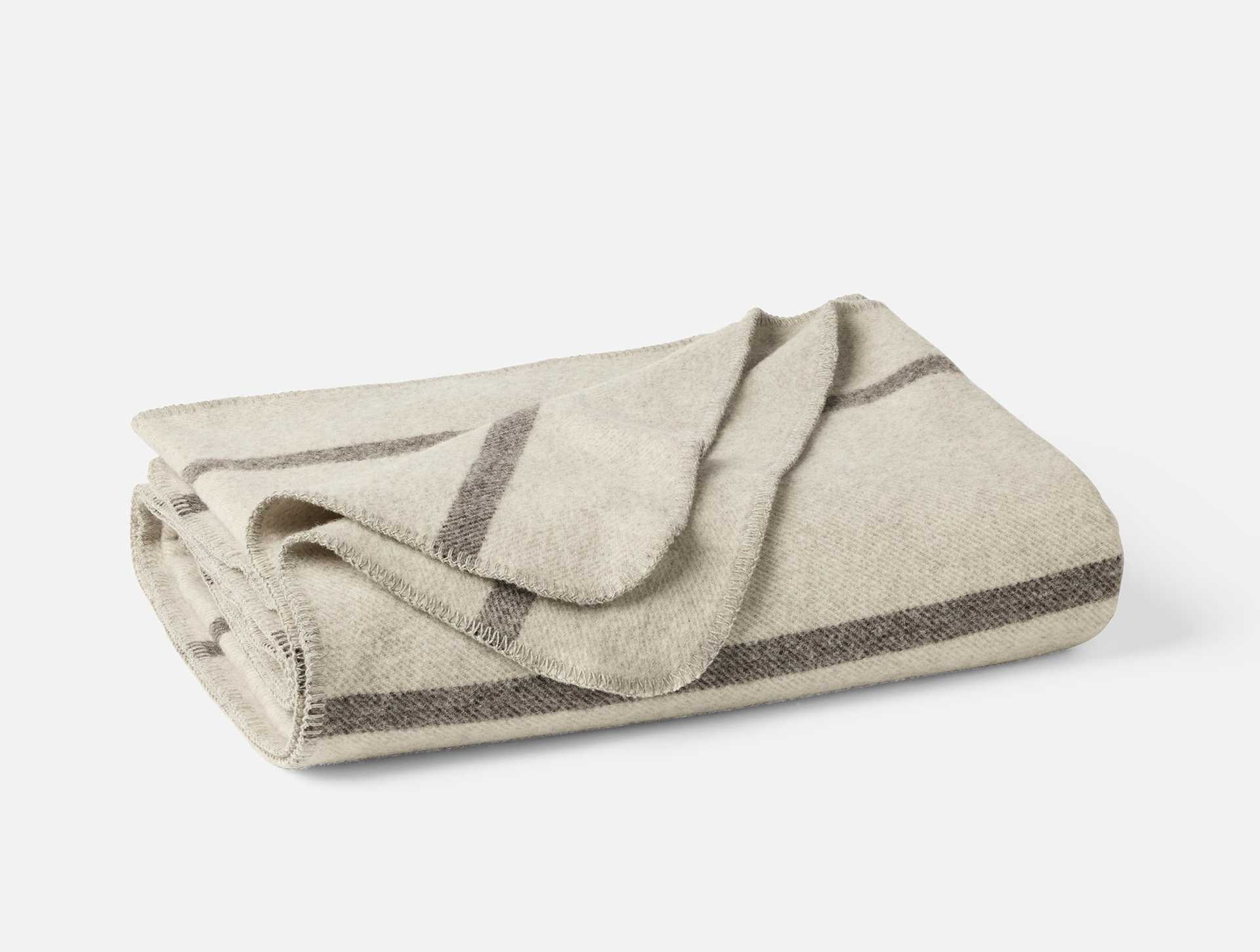
Materials in the upper layers make a difference too. Wool bedding is valued for warmth and moisture management, though its exact feel depends on the construction and fill. A washable wool comforter, for instance, may offer a different level of insulation from a lighter-weight version. The important point is to treat the bed as a system: a warm comforter does not require an equally heavy sheet.
Make small changes one at a time. If the bed feels too warm, remove a layer before replacing the sheets. If it feels cold only during the first moments at bedtime, a nearby throw may solve the problem without changing the sleep surface. Thoughtful layering keeps comfort flexible and avoids the all-or-nothing feeling of an overbuilt bed.
Read your own sleep temperature
Room temperature and bedding preferences are personal. Some sleepers feel cold while settling in, then warm considerably during the night. Others remain cool and welcome more insulation. Your ideal sheet should be judged by how you feel after several hours, not only by the first touch when you climb into bed.
Pay attention to patterns. If you wake feeling overheated, damp, or restless, the issue may involve the room, pajamas, duvet, mattress protector, or a combination of layers—not necessarily the sheets alone. If you wake chilly, consider whether the top layer is too light or the room has changed temperature overnight. Keeping a simple note for a week can make the cause clearer than switching fabrics repeatedly.
Breathable sheets can support a more comfortable sleep environment, but no fabric can guarantee a particular sleep outcome. Bedroom ventilation, heating, humidity, personal physiology, and daily routines all contribute. Treat textile choices as one useful part of a broader comfort picture.
Care is part of performance
A sheet’s feel changes with use and laundering. Follow the care label rather than assuming all natural fibers can be handled in the same way. Cotton percale is typically compatible with regular laundering, but temperature, detergent, and drying method can influence softness and wear. Delicate blends or animal fibers may have more specific requirements. If the textile needs special cleaning, factor that into the decision before it becomes part of your weekly routine.
Wash sheets before first use if the manufacturer recommends it, and avoid overcrowding the machine. A gentle cycle and prompt removal from the dryer can help limit unnecessary wear and creasing. Use detergent according to its instructions; more product is not necessarily better, and residue may affect how fabric feels. Where the care label permits, lower heat is often a sensible choice for preserving fibers over time.
Do not choose a fabric solely because it sounds effortless, nor dismiss one simply because it needs attentive care. The right choice depends on the balance you want between comfort, upkeep, and longevity. A textile that feels exceptional but does not fit your habits may spend more time in the laundry basket than on the bed.
A considered checklist before choosing
When comparing sheets, move past the promise of softness and look for details that answer practical questions. These points can help narrow the field without turning a personal decision into a contest of specifications:
- Fiber: Is the sheet cotton, a blend, or another material? Are the percentages clear?
- Weave: Do you prefer crisp percale, smooth sateen, or the stretch of a knit?
- Weight and hand: Does the fabric feel airy, substantial, brushed, or slick?
- Temperature: Are you generally a warm sleeper, a cool sleeper, or somewhere between?
- Layering: Can you adjust the duvet or blanket instead of asking the sheet to provide all the warmth?
- Care: Can you follow the cleaning instructions comfortably and consistently?
- Fit: Does the fitted sheet suit your mattress depth, including any topper or protector?
- Transparency: Are material claims specific enough to understand what you are choosing?
The quiet luxury of getting the balance right
Warmth and breathability need not be opposing ambitions. The best bedding choices make room for both, beginning with a sheet whose surface suits your preferences and adding insulation where it can be adjusted. Cotton percale offers a crisp, airy option; sateen brings a smoother, more enveloping feel; cashmere and cashmere-blend textiles call for especially close attention to composition, warmth, and care.
There is no universal fabric that sleeps perfectly for everyone. A cool hand can feel restorative in a warm room, while a softer, weightier sheet may be welcome in winter. The most reliable guide is a combination of honest labeling, sensible layering, and your own experience over the course of the night. Choose the sheet that helps the bed feel composed and comfortable—not simply the one that promises the most warmth or the most luxurious touch.
Frequently asked questions
Are cotton percale sheets warm enough for winter?
Percale can be used year-round. Its crisp, breathable feel may seem cool at first, but warmth comes largely from the layers above it. In a colder room, pair percale sheets with an appropriate blanket or comforter rather than assuming you need a heavier sheet.
Do higher thread counts make sheets warmer?
Not necessarily. Thread count does not, on its own, determine warmth, softness, or breathability. Fiber type, yarn, weave, finishing, and fabric weight are all relevant. Consider thread count as one detail among several.
Are cashmere sheets suitable for hot sleepers?
It depends on the fabric’s composition and construction, as well as the room and the individual. Cashmere is associated with soft, insulating textiles, but a blend or lightweight construction may feel different from a heavier fabric. Check the full fiber content and care details, and consider whether you generally prefer a crisp, airy sleep surface.
What does “cashmere-soft” mean?
It may describe a soft handfeel rather than the presence of cashmere fiber. Check the materials label for an exact composition. A tactile comparison is not the same as a fiber-content claim.
How can I make my bed warmer without making it stuffy?
Keep a breathable sheet as the foundation and add a removable blanket or comforter for insulation. Adjust the upper layers according to the season and room temperature. This makes warmth easier to control than relying on one thick sheet.